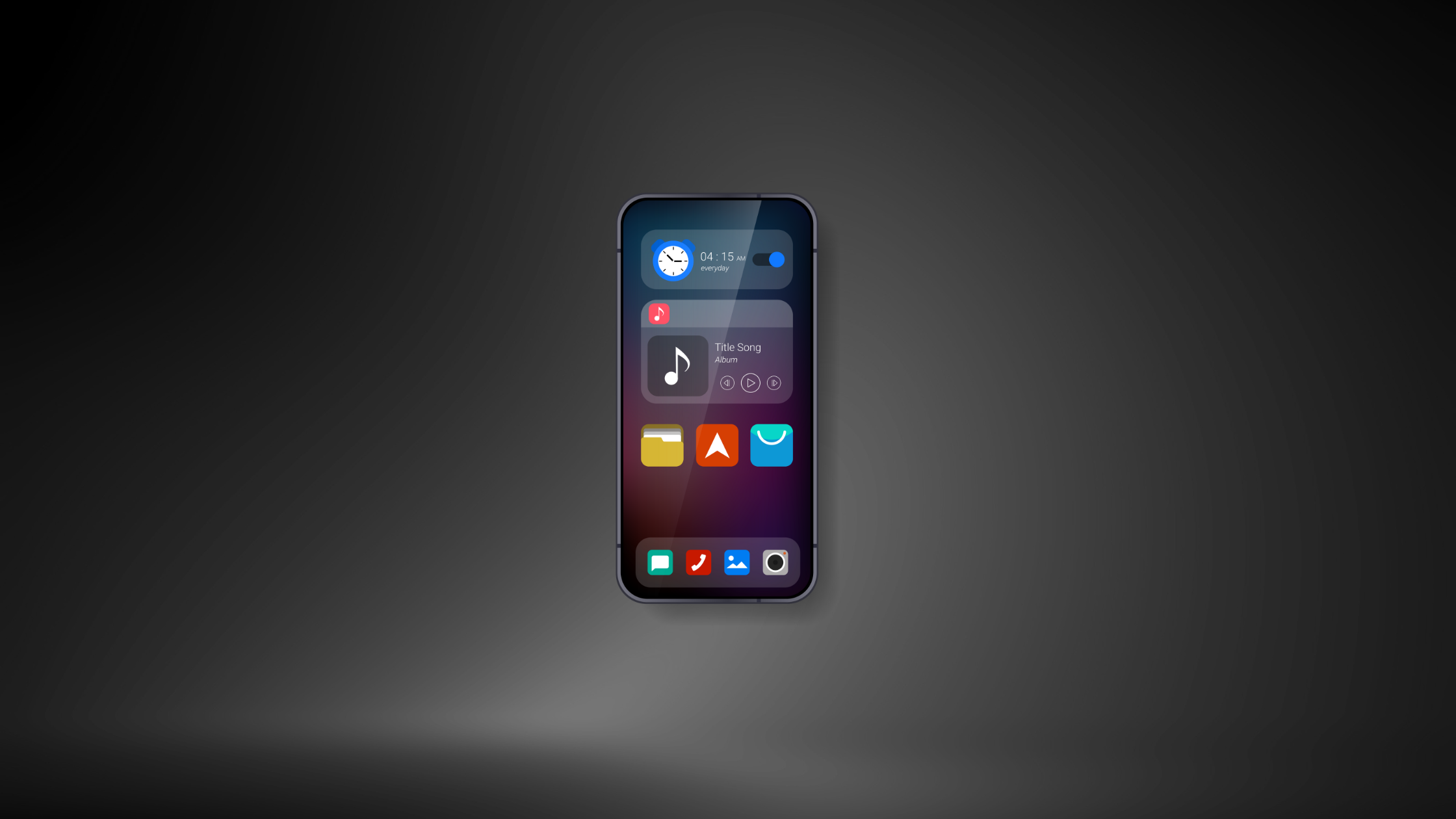
Artificial Intelligence is no longer limited to chatbots or recommendation systems. It now plays a key role in shaping how we create software. One of the most interesting moves in this space comes from Nothing, the design-focused smartphone company. On September 30, 2025, the company launched Playground, an AI-powered tool that lets users build mini apps (widgets) with simple text prompts.
Playground signals a major shift in app creation as users no longer need coding skills anymore. Instead, they describe the functionality they want. For example, someone can request a weather widget with a stylish look or a personal reminder tool. The AI then builds it, and the results are stored in Essential Apps, a new platform for managing these creations.
Though still young and limited, Playground shows a future where anyone can create customized software with natural language. That’s a big development in AI, app design, and the democratization of technology.
What Is Playground?
Playground is an AI tool built by Nothing to help people create apps through natural language prompts. It works like a creative sandbox. Users type an idea, and the AI turns it into a widget with no coding knowledge required.
At launch, Playground focuses on widgets, small tools that sit on the phone’s home screen, which can be very simple, like a clock, or more personal, like a daily habit tracker. For instance, a user might type, “I want a widget that shows motivational quotes every morning with a calming background image.” Within minutes, Playground creates one.
The standout feature is the blend of automation and customization that users can refine, adjust, and shape the output until it matches their needs. Once finalized, the widgets live inside Essential Apps, where they can be managed and organized easily.
This isn’t just an experimental feature. It reveals Nothing’s long-term plan to place AI at the center of mobile experiences, helping it stand out from Apple, Samsung, and other competitors.
How Playground Works
The brilliance of Playground lies in its simplicity. Here’s the process step by step:
- Prompt Input – The user types a request. It could be functional, like “a widget that counts steps and tracks calories,” or aesthetic, like “a retro pixel clock.”
- AI Generation – The system interprets the prompt and builds a widget.
- Customization – Users can edit looks, layout, or features with new prompts or manual tweaks.
- Deployment in Essential Apps – Once ready, the user saves their widget in Essential Apps, where they can access or share it easily..
- Integration into Nothing OS –Nothing OS integrates the widget into the phone ecosystem, seamlessly blending it into the user’s home screen .
Unlike traditional app development which demands coding knowledge, UI design, and deployment skills, Playground reduces the process to a conversation with AI. A process that makes app building approachable for anyone, not only tech-savvy users.
Limitations of Playground
Playground is exciting, but it still has several limitations.
Widgets Only – Right now, Playground only creates widgets. It cannot build full mobile apps yet. So, don’t expect a complete e-commerce platform or a new social media network.
Device Restrictions – Playground works only on Nothing phones. Even then, the original Phone 1 cannot install it. Newer models such as Phone 2 and beyond are supported.
Technology Maturity – Prompt-based app creation is still developing. The AI can handle simple tasks but struggles with complex integrations or stability issues. Developers usually anticipate those challenges.
Performance Issues – AI-generated widgets may not perform as efficiently as hand-coded ones. This could affect battery life or responsiveness.
Nothing admits these limitations. The company presents Playground as the first step in a long journey, not a finished product. Yet, the fact that users can spin up custom mini apps with text prompts shows how much progress has been made.
Why This Matters in the Tech Industry
Playground represents more than a new feature for Nothing phones. It points to a major change in software development. Traditionally, app creation required developers who spent months learning, coding, and testing. Now, Playground lowers that barrier dramatically.
This trend is called “vibe-coding”. Instead of writing strict code, users describe the vibe or idea they want. The AI then converts those ideas into functional software.
The impact could be huge:
- Greater accessibility – Everyone can now build digital tools for their own needs.
- Faster innovation – Ideas can be tested instantly without big development costs.
- New business models – App stores and marketplaces may need to adapt to AI-generated software.
Over time, Playground and similar tools might redefine developer roles. Skilled coders will still handle complex projects. However, casual users will gain the power to create for themselves, changing how software ecosystems evolve.


