In recent years, the need to connect cutting-edge science with real-world agricultural challenges has become more urgent than ever. This vision was at the heart of the International Forum on Science and Technology Backyard, held in Sanya, Hainan Province, China on 15-16th January, 2026 . The forum brought together policymakers, researchers, development partners, private sector actors, and practitioners to explore how science, technology, and innovation can directly support farmers—particularly smallholders—while strengthening agricultural value chains.
The Science and Technology Backyard Concept
The Science and Technology Backyard (STB) model emphasizes taking science out of laboratories and embedding it within farming communities. By working directly with farmers, researchers can co-develop practical, context-specific solutions that improve productivity, sustainability, and livelihoods. The forum in Sanya served as an important platform to share experiences, research findings, and policy perspectives on scaling this model across regions and production systems.

Spotlight on the Sanya International Seed Industry Scientists Conference
One of the key sub-forum sessions was the Sanya International Seed Industry Scientists Conference, which focused on advances in seed science and innovation. Discussions highlighted the critical role of quality seeds in addressing food security, climate resilience, and sustainable agricultural growth. Presentations emphasized:
- Advances in seed breeding and biotechnology
- Strengthening seed systems to ensure access for smallholder farmers
- The role of public–private partnerships in seed innovation
- Aligning seed industry development with national and global food system goals
The session reinforced the idea that resilient agricultural systems begin with resilient seeds, supported by strong research, regulatory frameworks, and market linkages.
Enhancing Smallholder Resilience and Agricultural Value Chains
Another major session focused on enhancing smallholder resilience and promoting agricultural value chain development. This discussion addressed the interconnected challenges faced by small-scale farmers, including climate variability, market access constraints, and limited access to technology and finance.
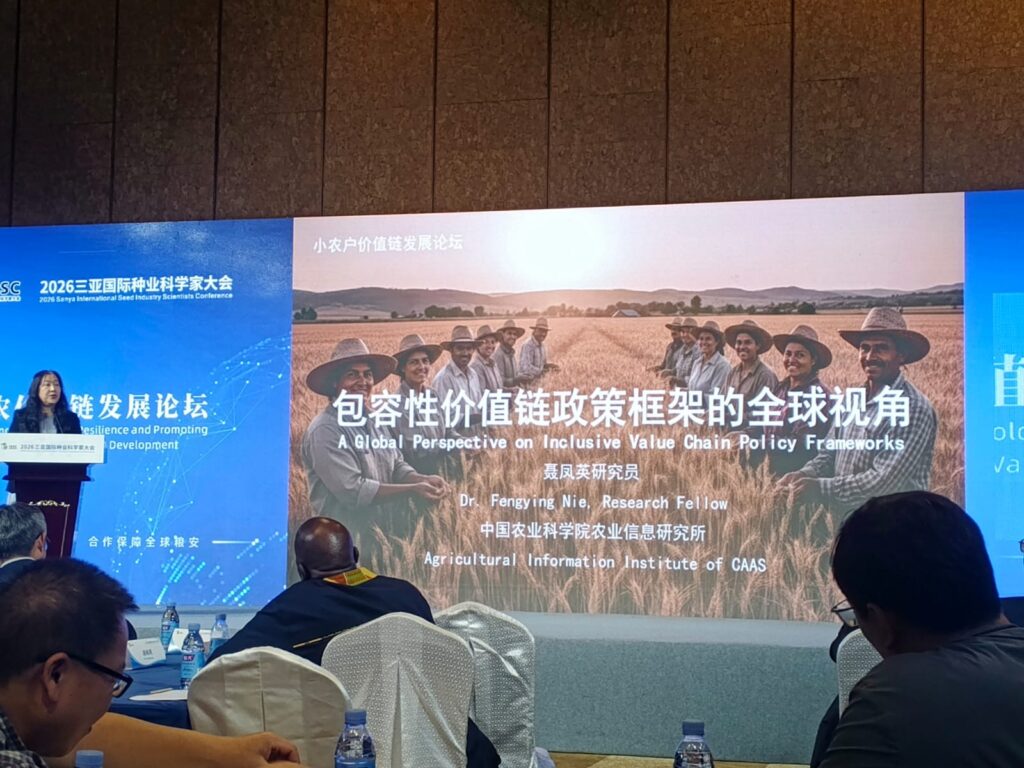
Key themes included:
- Building climate-resilient farming systems
- Strengthening farmer integration into value chains
- Leveraging digital and technological solutions for smallholders
- Improving coordination between farmers, agribusinesses, and institutions
The session underscored that resilience is not only about production but also about markets, institutions, and inclusive value chain participation.
Contributions from Global and Regional Stakeholders
The forum benefited from diverse perspectives, with major presentations from FAO Regional Office for Asia and the Pacific (FAO RAP), World Food Programme (WFP), International Fund for Agricultural Development (IFAD), alongside representatives from private sector companies and academic institutions. These contributions highlighted the importance of multi-stakeholder collaboration in transforming agri-food systems.
The exchange of ideas between development organizations, researchers, and industry players demonstrated how policy, science, and business can align to deliver impact at scale.
Key Takeaways and Reflections
Several key insights emerged from the forum:
- Science must be demand-driven and farmer-centered to be effective.
- Seed systems are foundational to agricultural resilience and productivity.
- Smallholder resilience requires integrated approaches across production, markets, and policy.
- Collaboration across sectors is essential for sustainable agri-food system transformation.
Why is this important for Developing Countries, Africa, and Asia
For developing regions—particularly Africa and Asia, where smallholder farmers dominate agricultural production—the themes discussed at the Sanya forum are highly relevant. These regions face overlapping challenges of climate change, land pressure, yield gaps, and limited access to technology and markets.
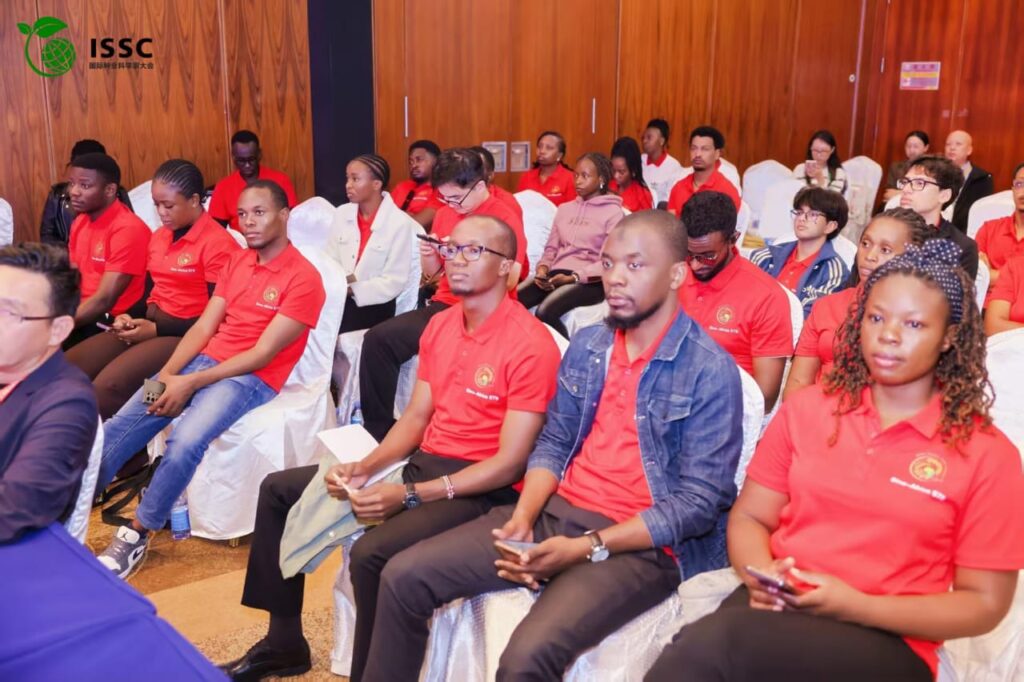
The Science and Technology Backyard (STB) approach offers a practical pathway to bridge these gaps by embedding technology, data, and applied research directly within farming communities. Rather than transferring technology in a top-down manner, the STB model emphasizes co-creation—ensuring innovations are locally adapted, affordable, and scalable.
Key implications for developing countries include:
Technology localization: Digital tools, precision agriculture, and improved seed technologies must be adapted to smallholder contexts, not just large-scale farms.
Seed system transformation: Robust, technology-enabled seed systems are essential for climate resilience, food security, and productivity growth.
Value chain digitalization: Technology can improve traceability, market access, and coordination across agri-food value chains.
Inclusive innovation ecosystems: Partnerships among governments, academia, development agencies, and the private sector are critical to ensure technology reaches farmers effectively.
For Africa and Asia in particular, integrating science, technology, and farmer knowledge is not optional—it is central to building resilient, future-ready agri-food systems.
The International Forum on Science and Technology Backyard in Sanya was a powerful reminder that meaningful agricultural innovation happens when science meets practice. By fostering dialogue across disciplines and sectors, the forum contributed valuable insights into how technology and innovation can support smallholders, strengthen value chains, and advance sustainable agriculture.
As global challenges facing food systems continue to evolve, platforms like this forum play a crucial role in shaping solutions that are inclusive, practical, and impactful.