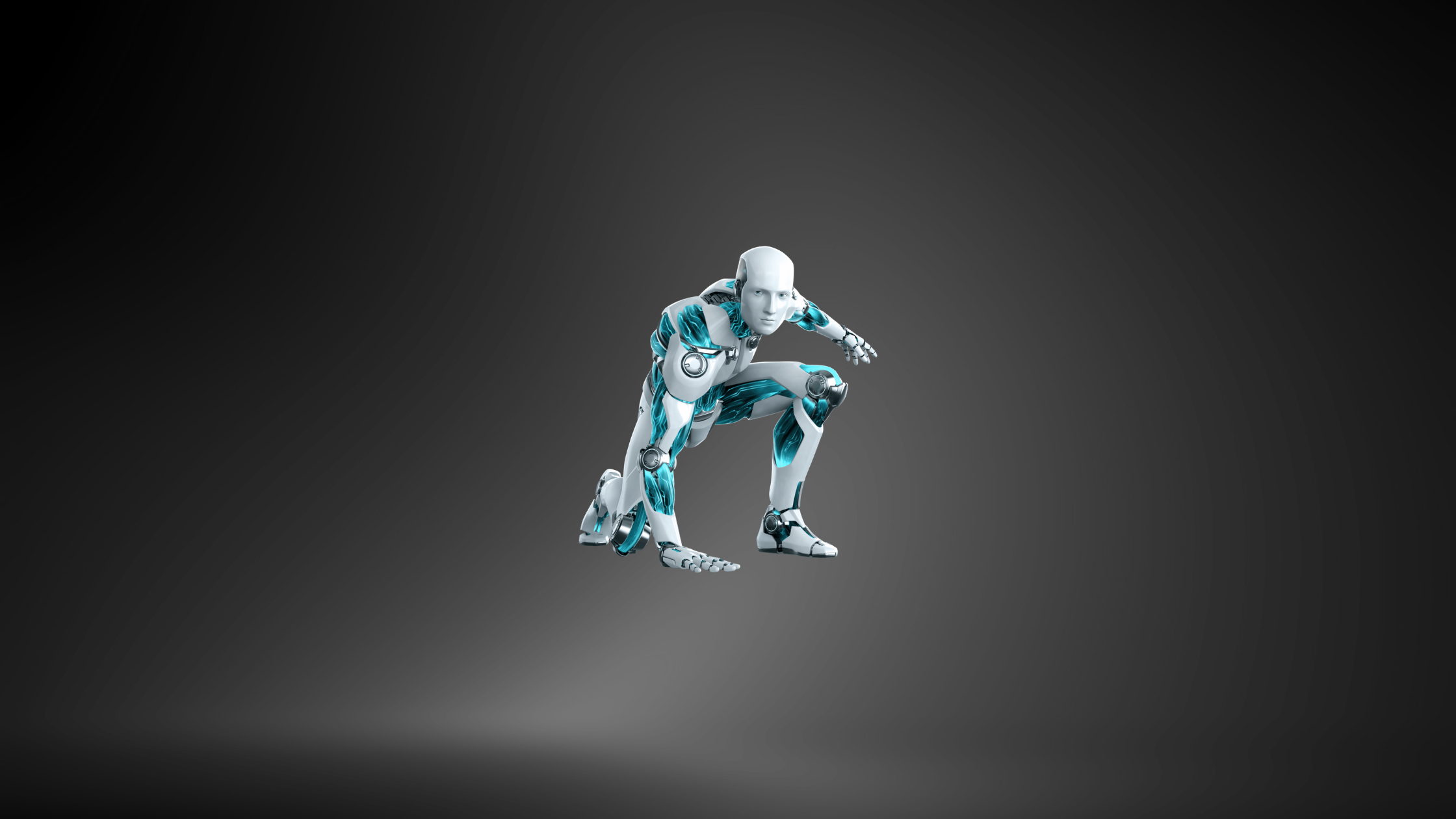
We’re living in a time where robots aren’t just science fiction anymore, they’re part of our daily lives. From warehouse robots that speed up deliveries to surgical robots that assist doctors in life-saving operations, robotics has stepped out of the lab and into the real world. This shift marks what many call the Golden Age of Robotics, a period where the technology is advancing faster than ever, and its applications are multiplying across industries.
But with great progress comes great challenges. Robotics and AI don’t evolve in a straight, flawless line. Along the way, there are embarrassing failures, hilarious mistakes, and at times, worrying risks. Yet these failures aren’t setbacks, they’re stepping stones. They remind us that progress doesn’t mean perfection, and safety must always take center stage.
Why Robotics is Entering a Golden Age
The phrase “golden age” isn’t just hype. Robotics is reaching a point where cost, computing power, and innovation are aligning perfectly. Sensors are cheaper, machine learning algorithms are smarter, and cloud computing gives robots real-time access to vast amounts of data. Think of it as the perfect storm of innovation, where everything needed to make robotics practical and powerful is finally available.
For decades, robots were limited to repetitive, structured environments, like car manufacturing plants. But today, they can adapt, learn, and operate in unstructured spaces. A household robot can vacuum while avoiding your pet. A farming robot can identify weeds from crops with pinpoint accuracy. And autonomous vehicles, though still imperfect, are closer than ever to mainstream adoption.
All this momentum has created a sense of inevitability: robotics isn’t just advancing, it’s transforming how we live, work, and even think about our future.
The Role of AI in Modern Robotics
At the heart of this golden age lies artificial intelligence. Without AI, robots are just programmable machines, limited to following rigid instructions. With AI, they become adaptive problem-solvers. They can learn from experience, handle unexpected scenarios, and even interact with humans more naturally.
Think of Boston Dynamics’ robots, those agile, dog-like machines that can climb stairs, dance, and carry heavy loads. Their movements aren’t just programmed step-by-step. AI allows them to balance, adjust to different terrains, and even recover if they stumble. That’s a massive leap from the clunky robots of the past.
AI in robotics isn’t just about movement, it’s also about perception. Robots can now “see” the world through computer vision, “hear” with speech recognition, and “think” with natural language processing. This opens the door for service robots in hospitals, retail, and homes, bridging the gap between science fiction dreams and real-world applications.
The Reality of Live Demo Fails
If you’ve followed robotics news, you’ve probably seen some cringeworthy live demo fails. These moments when a robot freezes, falls, or does the complete opposite of what’s expected are both entertaining and enlightening.
Famous Examples of Robotics Demos Gone Wrong
One of the most infamous demo fails happened when Honda’s humanoid robot, ASIMO, stumbled during a demonstration and fell down a flight of stairs. It was a humbling reminder that even the most advanced projects can suffer from the simplest errors.
Tesla’s Cybertruck presentation is another iconic example, not robotics in the traditional sense, but close enough. During the big reveal, Elon Musk’s team tried to prove the truck’s “unbreakable” glass windows, only for them to shatter in front of a live audience.
And then there’s the countless footage from DARPA Robotics Challenges, where million-dollar robots trip, collapse, or fail to open doors. While the internet loves to meme these moments, they’re part of the messy reality of pushing boundaries.
Why Live Demonstrations Often Fail
Live demos fail because robotics is hard. Machines are dealing with real-world environments that are unpredictable, full of variables that are hard to account for in controlled testing. A small miscalculation in balance, a loose wire, or even a software lag can cause a total system failure.
Another factor is that demos often push robots to their limits. Companies want to showcase the best their machines can do, not just the basics. That means taking risks. And when you’re walking the edge of innovation, failure is always a possibility.
Lessons Learned from Demo Fails
While embarrassing, demo fails are gold mines for learning. They expose weaknesses that might not appear in a lab setting, forcing developers to solve problems they didn’t anticipate. ASIMO’s stair stumble, for example, highlighted how tricky real-world navigation is for humanoid robots, pushing engineers to improve balance algorithms.
More importantly, these failures humanize the technology. They remind us that robots aren’t magical beings, they’re products of engineering, trial, and error. Each failure is a necessary step toward reliability.
AI Safety: A Non-Negotiable Priority
As robots grow smarter and more independent, safety becomes a pressing concern. A robot vacuum bumping into furniture is one thing, but what about a self-driving car misinterpreting a situation? Or a medical robot making a wrong move during surgery?
The Risks of Unchecked AI in Robotics
The dangers of ignoring AI safety aren’t hypothetical, they’re real. A self-driving Uber car tragically struck a pedestrian during testing, raising questions about whether safety protocols were sufficient. Industrial robots have caused accidents when safety barriers failed, leading to injuries and even fatalities.
Unchecked AI could also pose risks beyond accidents. Imagine a warehouse robot optimizing for speed without regard to human workers nearby, or an autonomous military drone making flawed targeting decisions. The consequences could be catastrophic.
Safety Protocols and Standards in Development
To prevent such risks, developers are putting robust safety standards in place. Redundant systems, emergency stop features, and strict testing protocols are becoming standard practice. Industry groups are working on guidelines that ensure AI systems are transparent, predictable, and aligned with human values.
In many countries, regulatory frameworks are catching up. Europe’s AI Act, for instance, emphasizes risk-based regulation, requiring higher safety standards for technologies with greater potential for harm.
Human-in-the-Loop Systems for Responsible Use
One of the most promising approaches to AI safety is keeping humans in the loop. Instead of letting robots operate fully independently, humans oversee and intervene when necessary. This balance allows robots to work efficiently while still relying on human judgment for critical decisions.
For example, surgical robots like the da Vinci system don’t operate autonomously. They enhance a surgeon’s precision but never remove the surgeon’s control. This human-centered design ensures that AI remains a tool, not a replacement.
Bridging the Gap Between Failure and Progress
Failure and progress aren’t opposites, they’re partners. Every failed demo, every safety scare, and every setback carries a lesson that pushes robotics forward.
How Demo Fails Spark Innovation
When robots fail publicly, they often inspire other innovators to step in with solutions. The DARPA Robotics Challenge, filled with falling robots, led to improvements in machine learning algorithms for balance and mobility. These breakthroughs eventually influenced robots in disaster response and exploration.
Turning Mistakes into Milestones
History shows that mistakes often precede breakthroughs. Airplanes crashed before aviation became safe. Early computers failed constantly before becoming reliable. Robotics follows the same trajectory: today’s demo fails become tomorrow’s industry standards.
The Importance of Transparency in Tech Development
One of the most powerful things about live demo fails is that they’re public. They show the world that innovation isn’t perfect and that’s okay. Transparency builds trust. When companies openly share both successes and failures, they foster an environment where progress feels genuine, not manufactured.
The Golden Age of Robotics
Robotics is no longer about futuristic speculation, it’s about present-day transformation. We’re seeing breakthroughs that would’ve seemed impossible just a decade ago.
Breakthroughs That Define This Era
Today’s robotics breakthroughs include AI-powered exoskeletons that help paralyzed patients walk, warehouse robots that coordinate like swarms of ants, and space robots exploring planets millions of miles away. Each innovation brings us closer to a future where robots are seamlessly integrated into society.


