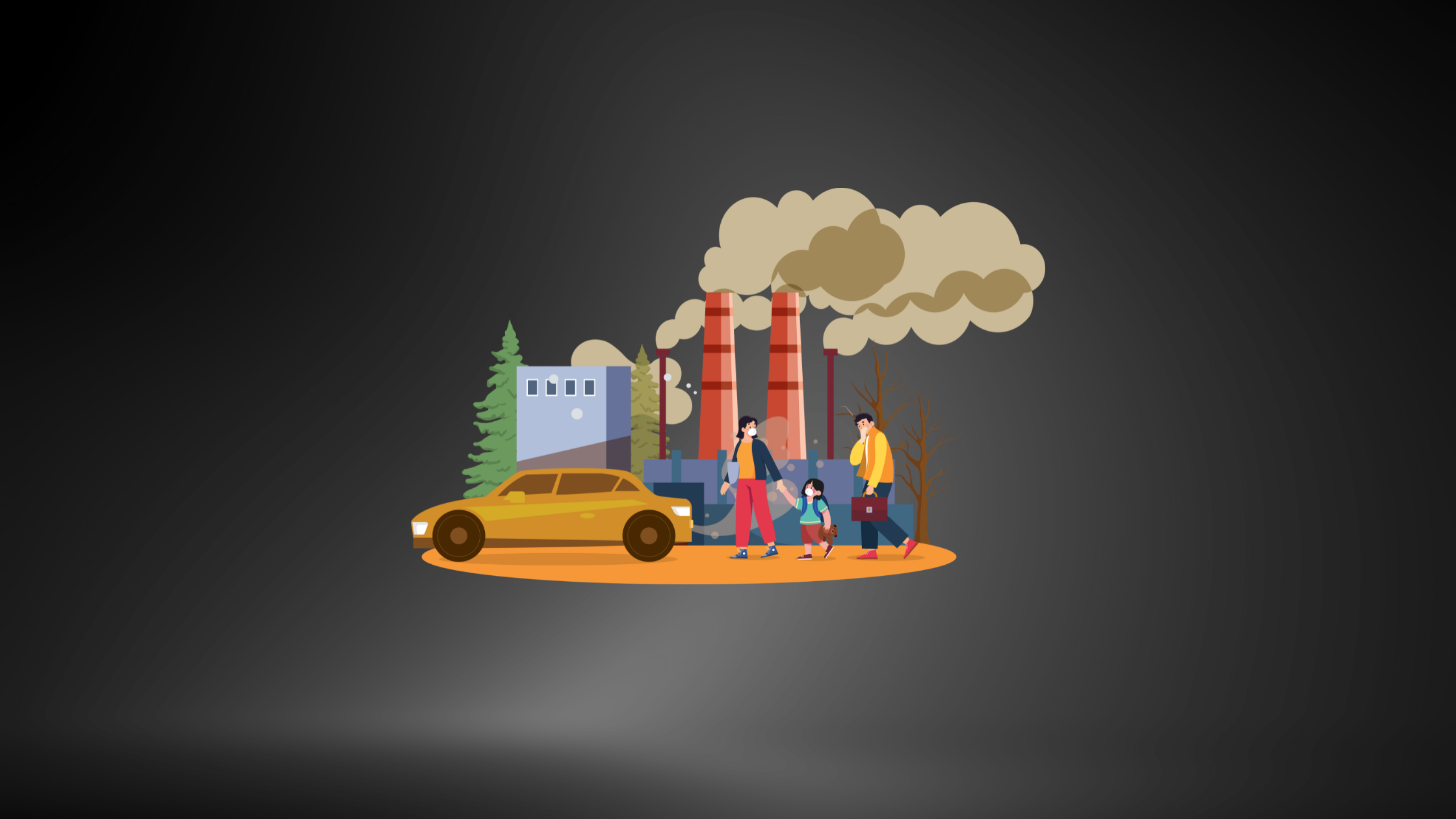
Lahore, once known as the City of Gardens, has been grappling with severe air pollution, often exacerbated by vehicular emissions and industrial activities.
The challenge of reducing air pollution has led Pakistan to adopt innovative solutions, especially in utilizing artificial intelligence (AI) to monitor and combat this crisis.
In a groundbreaking initiative, the government of Punjab, with support from local climate experts, has set up over 100 AI-powered monitoring stations.
These stations gather real-time pollution data, allowing for accurate forecasting of air quality. The system utilizes AI algorithms to identify areas with the highest pollution levels, such as high-traffic zones and industrial areas, and then deploys mitigation measures accordingly.
However, experts caution that this digital approach must go hand in hand with other critical factors, including cleaner fuel and the development of better public transport systems.
Imran Saqib Khalid, a climate governance expert, emphasizes that while AI can provide valuable insights, there is no “silver bullet” solution to solving air pollution.
The initiative aims to reduce pollution levels significantly over the next few years by targeting emissions from industrial activities and urban transportation. But as the technology evolves, it will also require concerted efforts to transform local policies and industries to adopt sustainable practices.
The people of Lahore are hopeful that this “digital cleanup” will restore the city’s iconic gardens and protect its residents from health risks caused by polluted air.


